Introduction to Visual Propagation
Content:
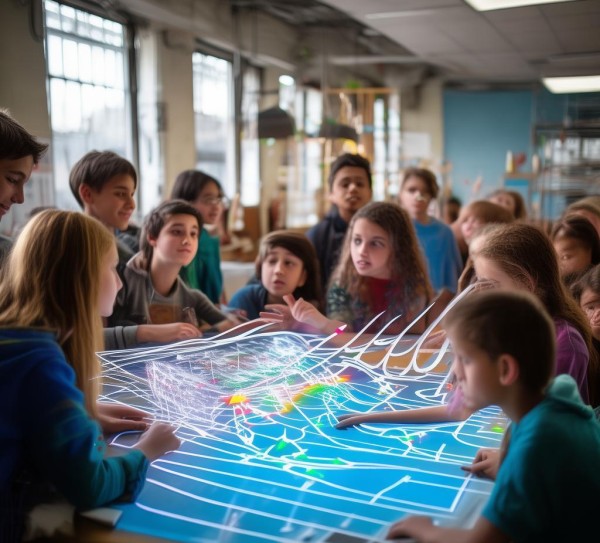
Visual propagation is a cornerstone of modern media communication, playing a pivotal role in conveying messages effectively and engaging audiences. It involves the use of visual elements such as images, videos, and graphics to create an immersive and interactive experience. This approach not only enhances understanding but also increases participation, making it a powerful tool in the contemporary world.
Propagation Channels:
The primary channels through which visual propagation occurs include traditional media platforms like television, newspapers, and radio, as well as digital platforms such as the internet and mobile apps. Additionally, emerging technologies like social media and augmented reality (AR) and virtual reality (VR) are revolutionizing how visual content is shared and experienced. Each channel has its unique strengths and is suited to different types of messages and audiences.
Propagation Strategies:
Effective visual propagation requires a strategic approach, encompassing content策划, design, and control. Content策划 involves selecting or creating visuals that are relevant and compelling to the intended audience. Visual design should be versatile, allowing for easy editing and modification to fit the message's tone and style. Effective control over visual elements ensures consistency and clarity, which is crucial for conveying the intended message.
Factors Influencing Visual Propagation:
Several factors influence the success of visual propagation, including the nature of the audience, the environment in which the content is shared, the medium's capabilities, and the digital infrastructure. A well-crafted visual message can adapt to various contexts, enhancing its relevance and impact.
Case Studies:
Visual propagation has been successfully applied in numerous contexts. For instance, social media platforms often use visuals like photos, videos, and interactive elements to engage users and foster discussions. During the COVID-19 pandemic, visual messaging was crucial in disseminating information, showcasing the effectiveness of visual communication in crucial scenarios.
Future Trends:
Looking ahead, visual propagation is likely to be shaped by advancements in technology. The integration of augmented reality and virtual reality is expected to enhance immersive experiences, while the rise of big data ytics will enable more precise targeting and personalization. These trends will further elevate the role of visual media in storytelling and communication.
Conclusion:
In conclusion, visual propagation is a dynamic and evolving field, with potential to transform how we communicate and engage with information. By leveraging the power of visuals, we can create more effective and engaging communication channels, contributing to a more informed and connected society.